
Motivation That Works
You’re about to learn why motivation is today’s quiet performance engine—and the five leadership levers that reliably switch it on at work.
Why now
Picture a new leader on day one: inbox stacked, targets firm, team half-remote and tired. In moments like this, one lever changes everything—motivation. When people want to do the work (not just have to), quality improves, speed increases, and service complaints fall. Research frames motivation as the inner drive that directs and sustains effort toward goals; when it’s low, even competent people under-deliver; when it’s high, output and commitment climb — and people consistently go “above and beyond” — applying discretionary effort.
What do we mean by Motivation…?
Working definition. Motivation is the personal energy and focus that makes someone choose to put in the effort, keep going, and aim at shared goals. It is observable through behavior at work, such as showing up, taking initiative, sticking with tasks.
Why leaders matter in the motivation equation
Motivation shifts with what leaders do: fair feedback and reviews, day-to-day leadership, conditions on the ground, learning opportunities, recognition, and safety. Studies show these are some of the levers that consistently determine how much effort people are prepared to give—and whether they stay.
Discretionary effort is the voluntary energy employees invest beyond minimum requirements. It cannot be commanded; it is released when leaders create conditions that satisfy autonomy, relatedness and competence, Leaders do not motivate others; they design fair, choice rich, purposeful environments that creates employee engagement, belonging and invites sustained extra effort.
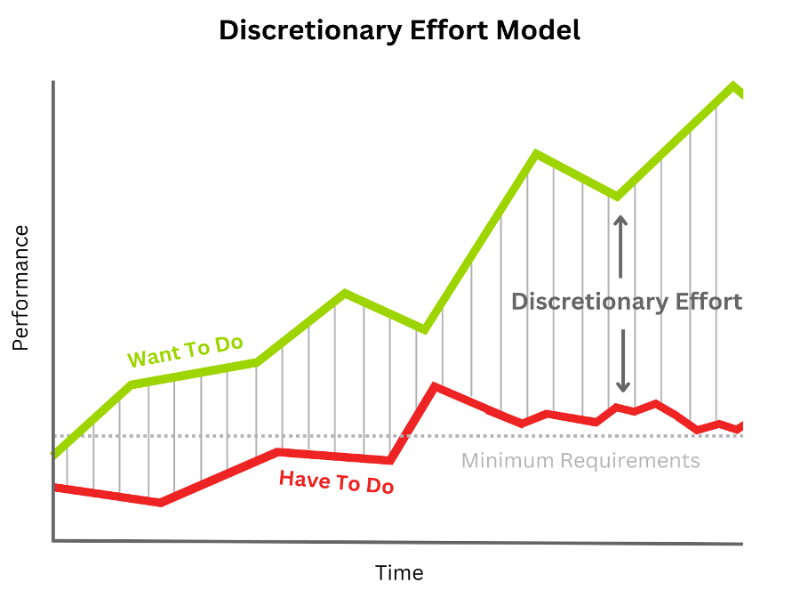
The two buckets to remember.
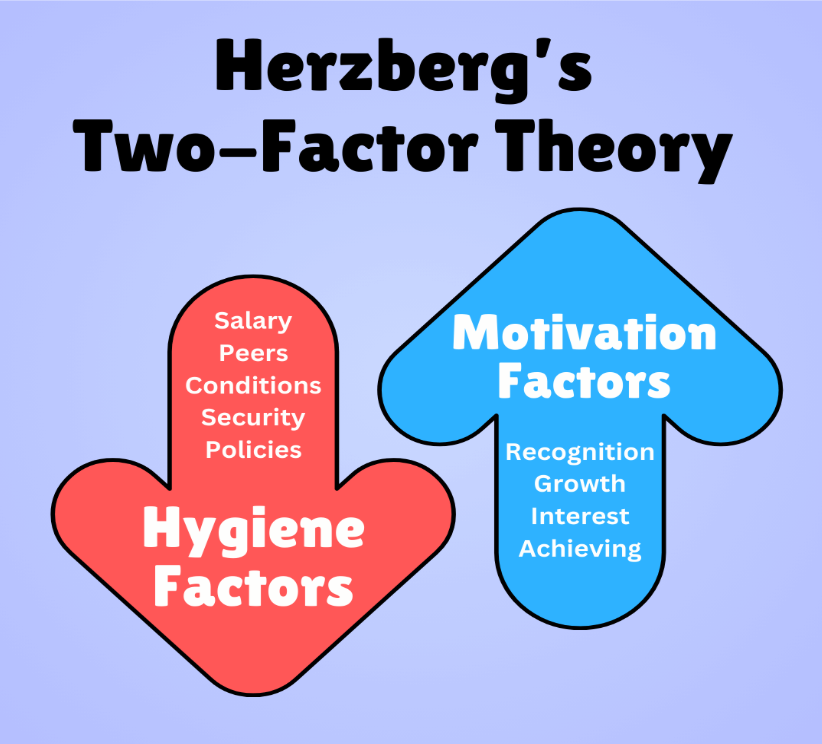
Herzberg’s classic insight helps you to focus how to motivate in a sustainable way:
- Hygiene factors (pay, security, working conditions) prevent dissatisfaction but don’t create lasting motivation on their own.
- Motivators (achievement, recognition, responsibility, growth) are what spark sustained drive. You need both.
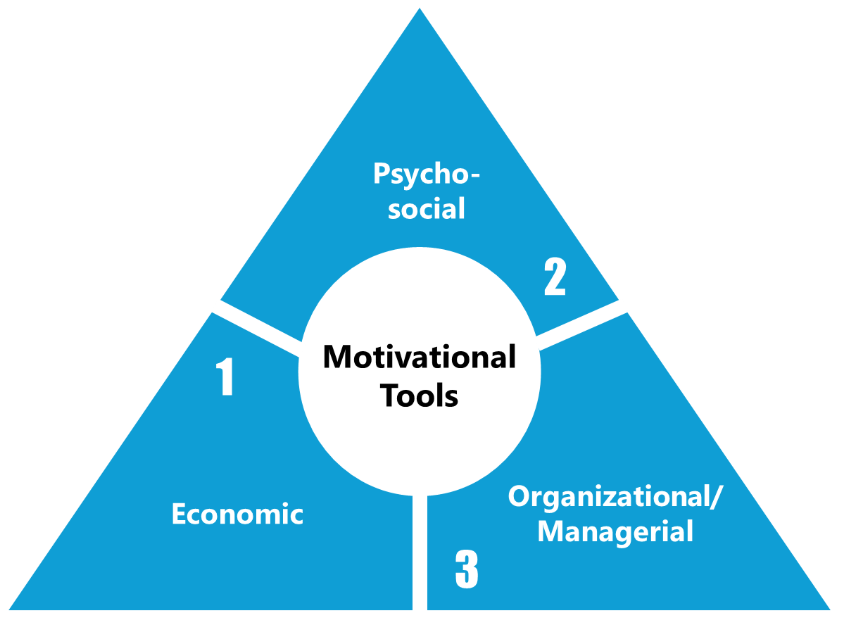
Toolbox, translated.
Motivation tools fall into three plain groups you can actually use:
- Economic (salary, bonuses, benefits),
- Psycho-social (autonomy, respect, appreciation, work–life balance), and
- Organizational/Managerial (clear goals, fair authority, participation in decisions, career paths, training, flexible work, better workspace, transparent reviews).
Five Motivational levers for leaders
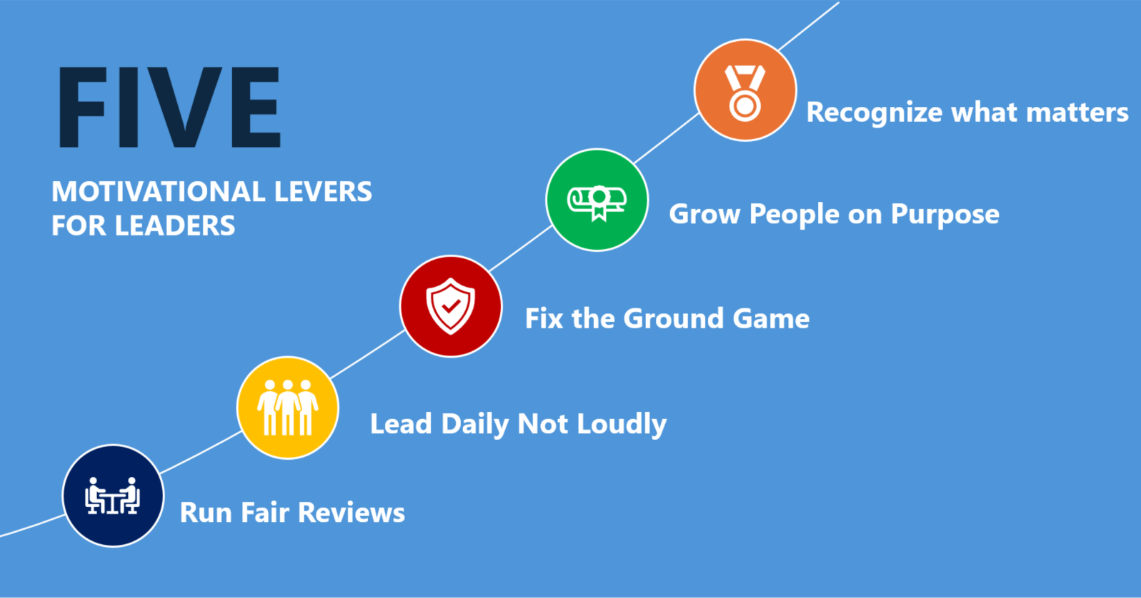
Run Fair Reviews
You’re about to learn how to make performance appraisal and feedback energize—never drain.
Link to motivation. Clear, unbiased reviews plus timely feedback lift morale and effort; unfair processes do exactly the opposite.
Why it works. People commit when they trust the system is accurate, justified, and free from bias; good quality feedback clarifies expectations and celebrates wins—both fuel effort.
On-the-job leader behaviors:
- Block 30 minutes after each review cycle to share two specifics done well and one priority to improve—no surprises.
- Publish the rating criteria and examples so anyone can see how judgments were made.
- Close each conversation by naming one concrete next step and a check-in date.
Lead Daily, Not Loudly
You’re about to learn small leadership signals that steadily raise performance.
Link to motivation. The way you plan work, allocate resources, and coach people affects effort and results.
Why it works. Consistent, constructive leadership behaviours secures the basics (direction, support) and invites people to bring their best.
On-the-job leader behaviors:
- Start stand-ups with “what help do you need today?” to remove blockers early.
- Share how decisions are made (inputs, trade-offs); transparency builds trust to go the extra mile.
- Pair newer staff with a go-to peer coach for fixed work cycle; leadership is a daily practice, not a quarterly event. Not sure what sprint is being referred to
Fix the Ground Game
You’re about to learn how working conditions and security set the floor for motivation.
Link to motivation. Safe, fair, well-run environments stop dissatisfaction; they don’t create passion by themselves, but without them motivation leaks.
Why it works. People can only focus when basics (tools, workload, fairness, psychological safety, job security & safety) are steady. Low security and safety erodes morale and performance.
On-the-job leader behaviors:
- Walk the floor – be a leader in the field weekly, to spot friction points—broken tools, unclear handoffs, emerging safety issues, noise in the process—and then fix one visible thing fast.
- Share a simple “what’s changing / what isn’t” note when organization shifts happen to reduce anxiety about roles.
- Standardize how requests get sorted, so people see fair treatment in practice.
Grow People on Purpose
You’re about to learn to use training and advancement as true motivators.
Link to motivation. Development and visible opportunity increase commitment, satisfaction, and productivity—especially for younger employees who value progress.
Why it works. Learning shows investment; advancement shows a future here. Together they trigger the intrinsic drive to improve.
On-the-job leader behaviors:
- Give each person one growth goal tied to a real project this quarter, not a course catalogue.
- Post an internal proficiency “paths & skills” map so people see how to move up or across.
- Offer stretch tasks to improve individual and team proficiency with safety nets (buddy, milestone checks) and highlight progress in team meetings.
Recognise What Matters
You’re about to learn: to make recognition frequent, fair, and meaningful.
Link to motivation. Recognition—cash or praise—boosts self-esteem, productivity, and satisfaction when it’s earned and transparent.
Why it works. People double down on behaviors that are noticed. Public appreciation says, “this is valued here,” and others follow.
On-the-job leader behaviors:
- End the week with two shout-outs: one result (shipped feature, solved outage) and one behavior (mentoring, documentation).
- Rotate who nominates peers to prevent manager-only bias; publish criteria in one page.
- Mix rewards: micro-bonuses, extra learning days, or simple, specific praise tied to impact.
Key factors to prioritize. Fair appraisal & feedback; effective day-to-day leadership; solid working conditions; training & development; recognition; opportunity for advancement; job security. Each is directly linked to higher motivation and performance.
Conclusion
Motivation is not a speech; it’s a system. When we run fair reviews, lead consistently, fix conditions, grow people, and recognize what matters, effort rises and stays high. Do these well and you strengthen productivity, service quality, and retention-the basics of competitiveness in any market. The research is clear: combine hygiene factors to prevent drag with true motivators to ignite drive, and you get teams that choose to bring their best every day.
Back on The Job Application Exercise
Recognising Your Team's Motivational Triggers
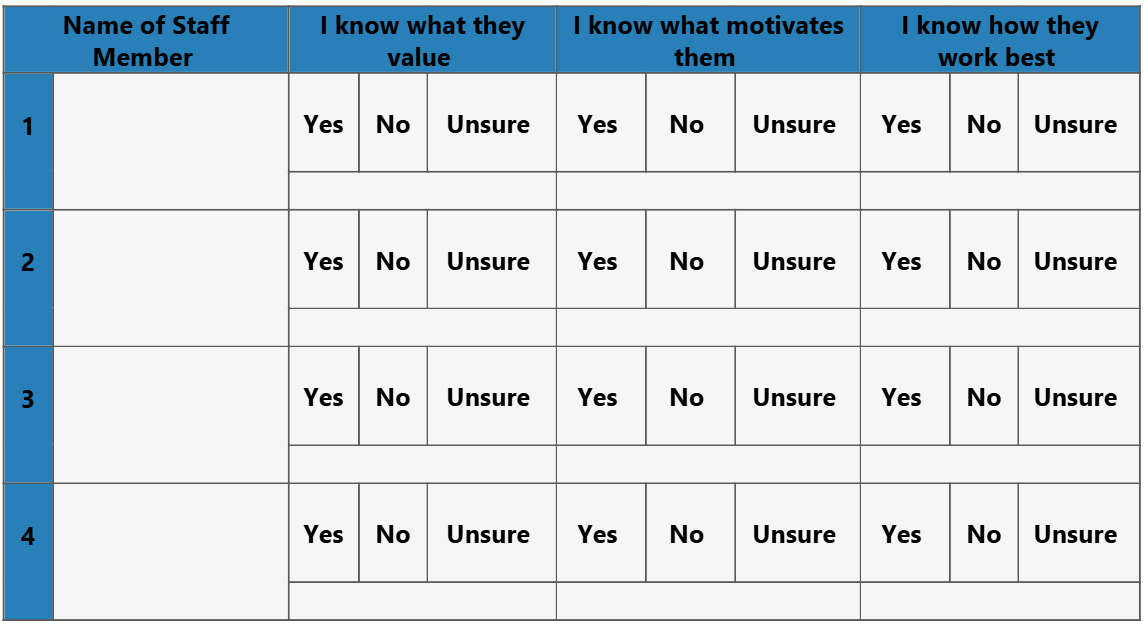
How well do you know your team members?
This exercise encourages you to take an honest look to see how well you know your direct reports. The idea being, that if you are going to inspire and mobilise them, you had better know what they value, what motivates them and how they like working. Knowing these, and acting upon it to support them, is one sure way of inspiring them and keeping them engaged.
Let’s do the evaluation…
Yes = Describe it. You might want to finally confirm this with your direct reports.
No or Unsure = What action are you going to take to get to YES?
Once completed make time to meet with each of your direct reports to validate how accurate your assessment has been. Where you may have made an incorrect evaluation, the opportunity exists, to discover something new about your direct report and improve your motivational approach toward them.
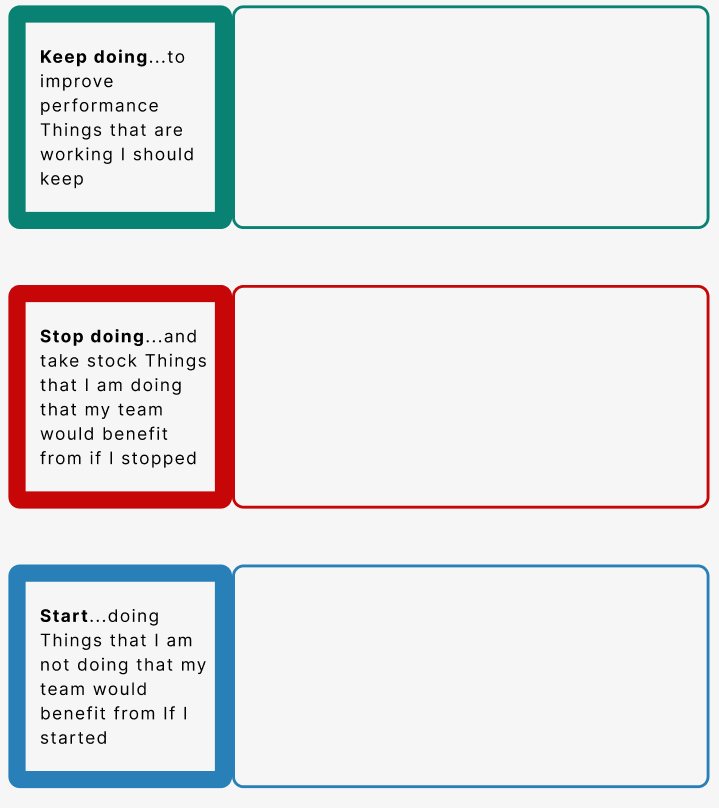
Action: Keep, Stop & Start
Considering the key messages in this article, carefully consider what you should Keep, Stop and start doing.
.png)
